
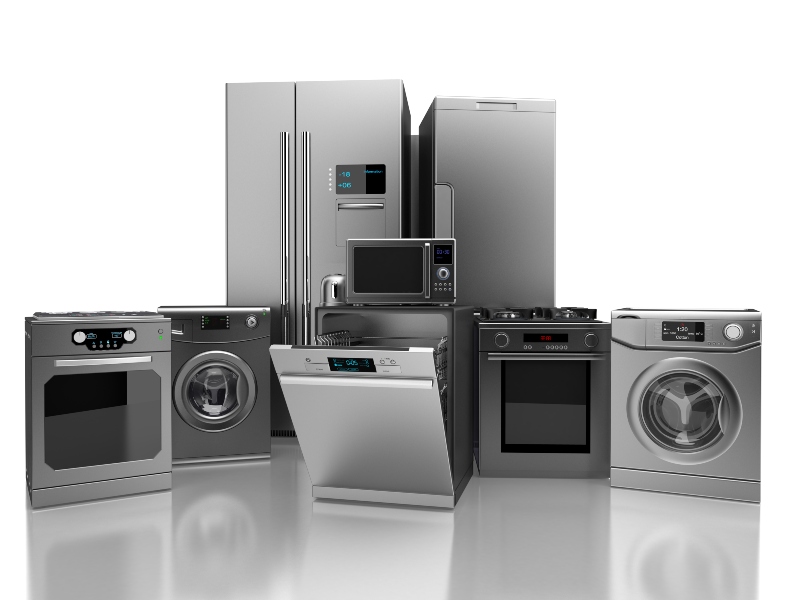
Home appliances represent a significant financial investment in your comfort, convenience, and daily routine. Whether you are a busy parent managing endless loads of laundry, a professional preparing meals for the week, or a property manager ensuring your Airbnb guests have top-tier amenities, functional appliances are non-negotiable.
Understanding the average lifespan of appliances helps you budget effectively for future replacements and prevent unexpected breakdowns. When a machine stops working, you are often faced with a stressful decision: should you repair it or buy a new one? Knowing the expected appliance lifespan empowers you to make smart, cost-effective choices.
In this comprehensive guide, we will break down the life expectancy of your major household machines, provide actionable maintenance tips to keep them running smoothly, and explain exactly how to decide between a simple repair and a full replacement.
The Average Lifespan of Appliances
Every machine has a natural life cycle. While high-end models might outlast budget options, almost all residential units follow a similar timeline. Here is a breakdown of what you can expect from your core household appliances.
Refrigerators
The refrigerator works harder than almost any other appliance in your home. It runs 24 hours a day, 7 days a week, constantly monitoring and adjusting its internal temperature. Refrigerators generally last between 10 and 15 years.
However, this timeline depends heavily on the model type. Standard top-freezer models tend to outlast complex side-by-side units or smart fridges with built-in ice makers and touch screens. The more electronic components a machine has, the more opportunities there are for something to malfunction.
Maintenance Tips to Extend Refrigerator Life
You can easily add years to your refrigerator’s life by performing routine maintenance.
- Clean the condenser coils: Dust and pet hair accumulate on the coils located at the back or bottom of the unit. Vacuum these coils twice a year to prevent the compressor from overheating.
- Inspect and clean the door seals: Also known as gaskets, the rubber seals around your doors keep cold air in. Wipe them down with warm, soapy water monthly. If you close a dollar bill in the door and can pull it out easily, the seal needs replacing.
- Keep it full, but not crowded: Refrigerators operate most efficiently when they are adequately stocked, as the chilled items help maintain the internal temperature. However, overpacking blocks air vents and forces the motor to work harder.
- Change the water filter: If your unit has a water dispenser or ice maker, replace the filter every six months to prevent mineral buildup and clogs.
Washing Machines
Laundry day can quickly become a nightmare if your washer suddenly stops draining or spinning. So, how long does a washer last? You can typically expect a washing machine to run reliably for 10 to 13 years.
Top-loading washers generally have a slightly longer lifespan than front-loading machines. Front-loaders use less water and energy, but they rely on more complex suspension systems and watertight seals that can wear down over time.
Maintenance Tips to Extend Washer Life
Proper laundry habits protect the mechanical components of your washing machine.
- Inspect and replace fill hoses: The rubber hoses connecting your washer to the water supply can become brittle and burst, causing massive water damage. Check them yearly for blisters or cracks and replace them every five years with braided stainless steel hoses.
- Clean the drum and dispenser: Run a self-cleaning cycle with white vinegar or a specialized washing machine cleaner once a month to remove detergent residue and mildew.
- Never overload the machine: Cramming too many heavy towels or blankets into the drum places immense strain on the motor, belts, and bearings. Follow the manufacturer’s capacity guidelines.
- Leave the door open: For front-loading machines, wipe down the rubber door gasket after your wash cycle and leave the door slightly ajar. This prevents mold and musty odors from forming.
Dryers
Dryers usually outlast their washing machine counterparts because they have a simpler mechanical design. A standard electric or gas dryer boasts an appliance life expectancy of 10 to 13 years.
When a dryer fails, it is often due to a burned-out heating element, a broken drive belt, or an overloaded lint system. Fortunately, these are common issues that a professional technician can easily resolve.
Maintenance Tips to Extend Dryer Life
Fire prevention and efficiency are the primary goals of dryer maintenance.
- Empty the lint trap every time: Get into the habit of cleaning the lint filter before or after every single load. A clogged filter restricts airflow, forcing the dryer to work longer and hotter.
- Deep clean the exhaust vent: Once a year, disconnect the dryer and use a vent-cleaning brush to remove lint buildup from the ductwork leading outside. This extends the machine’s life and significantly reduces fire risk.
- Ensure the machine is level: An unbalanced dryer will vibrate excessively, causing premature wear and tear on the drum rollers and motor. Use a carpenter’s level to check the machine and adjust the feet as necessary.
- Wipe down the interior drum: Fabric softeners and dryer sheets leave behind a thin, invisible film on the drum and moisture sensors. Wipe the inside with a cloth dampened in rubbing alcohol every few months.
Dishwashers
Your dishwasher relies on a combination of hot water, specialized detergent, and mechanical spray arms to sanitize your plates and silverware. On average, a dishwasher lasts 9 to 12 years.
Because dishwashers deal with hard water, food debris, and daily temperature fluctuations, they require consistent upkeep to prevent leaks and poor cleaning performance.
Maintenance Tips to Extend Dishwasher Life
Keep your dishes sparkling and your machine healthy with these simple steps.
- Clean the filter: Most modern dishwashers have a manual filter located at the bottom of the tub. Remove it monthly, rinse it under hot water, and scrub away trapped food particles with a soft brush.
- Scrape, but do not pre-rinse: Scrape large food scraps into the trash, but leave a small amount of residue on the plates. Modern dishwasher detergents need enzymes to cling to food particles to work properly.
- Run hot water before starting: Before you press start, turn on the hot water at your kitchen sink until it runs warm. This ensures the dishwasher’s first fill cycle utilizes hot water, reducing the strain on the appliance’s internal heating element.
- Inspect the spray arms: The tiny holes on the spinning spray arms can easily become clogged with hard water deposits or tiny food particles. Use a toothpick to clear these blockages and ensure optimal water pressure.
The 50% Rule: When to Replace Appliances
Even with perfect maintenance, every machine eventually reaches the end of the road. Knowing when to replace appliances comes down to a simple, widely accepted industry standard: The 50% Rule.
The 50% Rule states that if a machine is more than halfway through its expected appliance lifespan, and the cost of repairs exceeds 50% of the price of purchasing a brand-new unit, you should replace it.
Here is how you apply the framework:
- Determine the machine’s age: Check your receipt or locate the serial number on the appliance. If your washing machine has an average lifespan of 12 years and it is currently 8 years old, it is past its mid-life point.
- Get a repair estimate: Have a qualified technician diagnose the problem and provide a quote for parts and labor.
- Price a new model: Look up the current retail price of a comparable new appliance, factoring in delivery, installation, and old appliance haul-away fees.
- Do the math: If the new washing machine costs $800, and your repair quote is $450, the repair exceeds 50% of the replacement cost. Since the machine is already 8 years old, investing in a new unit makes more financial sense.
Why Professional Maintenance Matters
While routine DIY cleaning is essential, professional maintenance is the true key to maximizing longevity. Modern household machines rely on delicate computer boards, complex sensors, and specific voltage requirements. When things go wrong, attempting to fix them yourself can lead to further damage, voided warranties, or even personal injury.
That is where Dynamic Appliance Repair steps in. We provide fast, reliable, and honest diagnostics to help you make the best decision for your home. We specialize exclusively in residential units and do not service commercial appliances, meaning our technicians bring focused, specialized expertise directly to your kitchen and laundry room.
Whether you need a simple part replacement or a thorough diagnostic inspection, partnering with experts ensures your machines run efficiently for as long as possible.
Contact Our Team
Taking care of your investments today ensures they will continue to take care of your household tomorrow. Schedule your repair and let our residential appliance experts restore your peace of mind.