
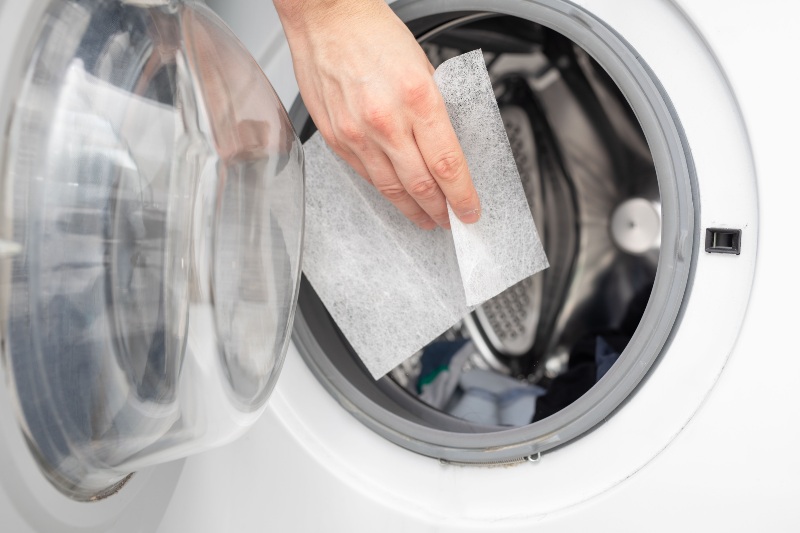
You hear the buzzer, open the dryer door, and reach in expecting warm, fluffy laundry. Instead, you pull out a pile of cold, damp clothes. Few things disrupt a busy household routine faster than a dryer not heating. For families and professionals managing tight schedules, waiting around for clothes to air dry simply is not an option.
If you find yourself asking, “Why is my dryer not heating?” you are not alone. This is one of the most common appliance issues we see. Sometimes the fix is a simple maintenance task, while other times it requires replacing a specific internal component.
At Dynamic Appliance Repair, we know how much you value your high-quality home appliances. We exclusively serve residential clients throughout Arizona. We do not work on commercial appliances, meaning our entire focus is on getting your home running smoothly again. Let’s break down the reasons your dryer might be malfunctioning and how you can resolve the issue.
Gas vs. Electric: Understanding the Differences
Before diving into specific parts, you need to know how your specific machine generates heat. The troubleshooting process changes depending on whether you have a gas or electric model.
Electric Dryers
An electric dryer uses dual voltage (usually 240 volts) to power a metal heating coil. When an electric dryer is not heating, the problem often stems from a broken coil, a tripped breaker, or a blown internal fuse. Electric models rely entirely on electrical resistance to create the heat needed to dry your clothes.
Gas Dryers
A gas dryer uses natural gas or liquid propane to fuel a burner, while still plugging into a standard 120-volt electrical outlet to power the drum motor and controls. If you have a gas dryer not heating, the root cause usually involves the ignition system. The machine might tumble perfectly fine, but if the igniter fails or the gas valve refuses to open, no heat will be generated.
Common Causes When Your Dryer Is Not Getting Hot
When your appliance spins but leaves you with wet clothes, several internal components might be failing. Here are the most frequent culprits behind a dryer not getting hot.
1. Thermal Fuse Issues
The thermal fuse acts as a critical safety device. If the dryer gets too hot, this fuse blows to prevent a potential fire. Once a thermal fuse blows, the dryer will either stop working completely or continue to tumble without generating heat.
In Arizona homes, poor ventilation combined with high ambient temperatures can sometimes cause these fuses to trip prematurely. Keep in mind that a blown thermal fuse is usually a symptom of a larger airflow issue. If you replace the fuse without fixing the underlying vent blockage, the new fuse will blow again.
2. Heating Element Failure
A classic dryer heating element problem occurs in electric units when the heating coil burns out. Over time, the constant heating and cooling weakens the metal wire. Eventually, the wire breaks, breaking the electrical circuit. You can often spot a broken coil by visually inspecting the heating element assembly, but testing it with a multimeter provides a definitive answer.
Need a professional assessment? Dynamic Appliance Repair provides premium residential repair services across Arizona. Contact us today to schedule your service call.
3. Faulty Thermostats
Your dryer relies on multiple thermostats to regulate internal temperatures.
- Cycling Thermostat: This part turns the heat source on and off to maintain the correct temperature setting. If it fails, the dryer might not heat at all.
- High-Limit Thermostat: Similar to the thermal fuse, this is a safety switch. It shuts off the burner or heating element if the dryer gets dangerously hot.
If either of these components malfunctions, your dryer loses its ability to control and maintain proper drying temperatures.
4. Igniter or Gas Valve Solenoid Issues (For Gas Dryers)
If you hear a clicking sound in your gas dryer but feel no heat, the ignition system needs attention. The igniter glows white-hot to light the gas. Over time, these igniters become fragile and burn out.
Alternatively, the gas valve solenoids might be failing. These electrical coils open the valve to let gas flow into the burner. When they wear out, they might work for the first few minutes of a cycle and then stop, leaving your clothes damp.
5. Clogged Dryer Vents and Airflow Restrictions
If your dryer takes too long to dry, you might not have a broken part at all. You might just have a clogged vent.
Dryers need to push hot, moisture-laden air out of the drum and safely out of your home. If lint builds up inside the exhaust vent, that moist air has nowhere to go. This causes the dryer to overheat, trip safety switches, and drastically extend drying times. Cleaning your lint trap after every single load is crucial, but you should also have your main exhaust vent cleaned at least once a year.
Repair vs. Replace: Which Makes Sense?
When an appliance breaks, homeowners naturally wonder if they should fix the machine or buy a brand new one. For middle to upper-middle-class households with premium appliances, repairing the unit usually makes the most financial sense.
Use the 50% rule as a general guide: if the machine is more than halfway through its expected lifespan and the repair costs more than 50% of the price of a new unit, replacement might be wise. However, premium dryers are built to last. Replacing a thermal fuse, heating element, or igniter costs significantly less than purchasing a new high-end appliance.
Choosing professional repair also saves you from the hassle of shopping, waiting for delivery, and paying installation fees. A skilled technician can often extend the life of your current machine by several years with a single targeted repair.
Frequently Asked Questions (FAQs)
How Much Does a Heating Element Repair Cost?
The cost to resolve a heating element problem varies based on the brand and specific model of your dryer. High-end or luxury models use specialized parts that cost slightly more than standard units. Generally, homeowners can expect the total cost (including professional labor and premium parts) to be a fraction of the cost of buying a new machine. We provide transparent, upfront pricing before we begin any work.
How Long Should a Dryer Last?
A well-maintained dryer should last between 10 and 13 years. High-quality models can push past 15 years with regular maintenance, proper vent cleaning, and timely repairs. Taking care of minor issues promptly prevents unnecessary wear and tear on the motor and drum.
What Are the Signs That My Dryer Needs Repair?
Common red flags include clothes taking multiple cycles to dry, the drum failing to spin, unusual grinding or squealing noises, and the unit becoming excessively hot to the touch. If you notice a burning smell, you should disconnect the power immediately, as this often indicates a dangerous buildup of lint or an electrical component failure that requires professional attention.
Is It Worth Repairing an Older Dryer?
Generally, if the repair cost is less than half the price of a new unit and the machine is under ten years old, a repair is a smart investment. Since many mechanical issues are caused by simple wear-and-tear parts like belts, rollers, or sensors, replacing these components can effectively reset the lifespan of your appliance without the high cost of a total replacement.
Call Dynamic Appliance Repair for Your Arizona Home
Dealing with a broken appliance disrupts your daily life. You deserve a fast, reliable, and professional solution. If your dryer leaves you hanging with wet clothes, do not rush out to buy a costly replacement. Stop waiting days for your laundry to dry. Contact Dynamic Appliance Repair today to schedule your residential dryer repair and get your laundry routine back on track.