
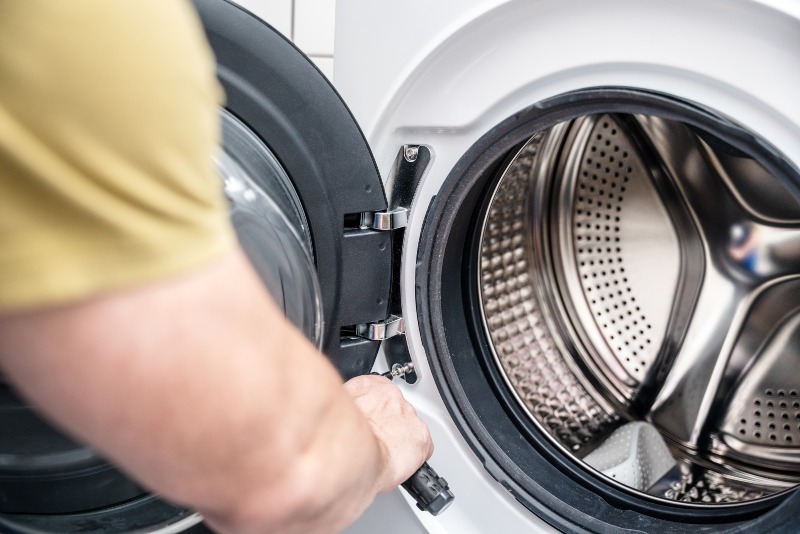
Seven Washer Maintenance Tips for a Longer Lifespan
Your washing machine is likely the hardest-working appliance in your home. It handles heavy loads of soaking-wet fabric, spins at high speeds, and handles dirt, grime, and detergents week after week. Because these machines are built to be durable, it’s easy to take them for granted.
However, neglecting your washer is a surefire way to shorten its life expectancy. The average washing machine should last anywhere from 10 to 13 years, but poor washer maintenance habits can cut that timeline in half. Ignoring minor issues or failing to clean the machine properly can lead to burnt-out motors, ruined suspension rods, and mold growth that ruins your clothes. Below are seven essential washing machine maintenance tips that’ll help your machine run smoothly for years to come.
1. Master the Art of Balancing Loads
One of the most common causes of mechanical failure in washing machines is chronic overloading or underloading. When you stuff the drum to its capacity, the machine can’t circulate water effectively, meaning your clothes don’t get clean. More importantly, the fabric’s wet weight places immense strain on the motor and transmission.
Conversely, washing a single heavy item, such as a duvet or a thick rug, can create a severe imbalance during the spin cycle. This imbalance causes the drum to bang violently against the sides of the cabinet. This creates a loud, rhythmic thumping that sounds like the machine is trying to walk across the laundry room floor. The physical trauma damages the tub bearings and the suspension rods that hold the drum in place. Once the bearings go, the repair is often so expensive that it makes more sense to buy a new machine.
To fix this, check your manufacturer’s guide for the maximum load weight. As a general rule, never pack clothes past the top of the agitator in top loaders, or fill the drum more than three-quarters full in front loaders. You should also try to wash heavy items with other heavy items to distribute the weight evenly. For example, if you’re washing one heavy towel, add a few more to balance the load. Finally, use the right cycle. Most modern washers have a “bulky” or “bedding” cycle that spins at a lower speed to minimize imbalance.
2. Deep Clean the Drum Regularly
It seems counterintuitive that a machine designed to clean things would need cleaning itself. However, washing machines are prone to accumulating soap scrum, mineral deposits from hard water, and leftover dirt from your clothes. Over time, this buildup creates a thin film inside the drum and the outer tub, where you can’t see it. Here’s how to clean the drum:
- Empty the Washer – Ensure the drum is completely empty.
- Add a Cleaning Agent – You can buy specialized washing machine cleaner tablets or, for a DIY solution, pour two cups of white vinegar into the detergent dispenser.
- Run a Hot Cycle – Select the hottest water setting available and the longest cycle. If your machine has a self-clean or sanitize cycle, use that.
- The Baking Soda Finish – Once the vinegar cycle is done, you can run a second short cycle with a half-cup of baking soda to neutralize the vinegar and scrub away any lingering odors.
3. Don’t Neglect the Drain Pump Filter
If you have a front-loading washing machine, you have a drain pump filter. Unfortunately, many homeowners go their entire lives without knowing this part exists, let alone that it needs cleaning.
The drain pump filter acts as a safety net for your water pump. It catches lint, coins, hairpins, loose buttons, and the stray sock that disappears during the wash. If this filter becomes clogged, water can’t drain effectively from the machine. This can lead to longer cycle times, water staying in the drum, or the machine refusing to spin. In worst-case scenarios, a blocked filter forces the pump to work too hard, causing it to burn out. Here’s how to maintain the drain pump filter:
- Prepare for Water – Place a shallow tray or an old towel under the small access door, usually found at the bottom front of the machine.
- Open and Drain – Open the door and unscrew the filter cap slowly to release the water.
- Remove Debris – Pull out the filter. Remove any lint or trapped objects. Rinse the filter under warm running water until it’s clear.
- Inspect the Housing – Look inside the filter housing to ensure no debris is stuck in the impeller (the little fan blade at the back).
- Reassemble – Screw the filter back in tightly and close the door. Perform this check every two to three months.
4. Inspect Your Hoses for Weak Points
Water damage is one of the most expensive home repairs you can experience, and a burst washing machine hose is a leading cause of residential flooding. The hoses that connect your washer to the hot and cold water supply are under constant pressure. Over time, the rubber can become brittle, crack, or develop bulges that indicate a weak spot. If a hose bursts while you’re away at work or on vacation, it can pump hundreds of gallons of water into your home in a matter of hours. Your inspection and replacement routine should include:
- A Visual Check – Pull the washer away from the wall slightly once or twice a year. Look for any kinks, cracks, or wetness around the connection points.
- The Five-Year Rule – Rubber hoses typically have a lifespan of about five years. Even if they look okay, it’s safer to replace them on this schedule.
- Upgrade to Steel – When it’s time to replace your hoses, skip the standard rubber ones and spend a few extra dollars on stainless steel braided hoses. These are encased in a woven metal mesh that prevents the rubber inside from expanding and bursting.
5. Use the Correct Detergent (and Less of It)
There’s a common misconception that more soap equals cleaner clothes. This is false. In fact, using too much detergent is one of the worst things you can do for a modern washing machine. Most current models are High Efficiency (HE) machines designed to use significantly less water than older models. If you use too much detergent or the wrong type, you create an excess of suds. These suds cushion the clothes, preventing them from rubbing against each other, which is necessary for the cleaning action.
From a washing machine maintenance perspective, excess suds are a disaster. They don’t rinse away completely, leaving a sticky layer of soap inside the machine. This buildup accelerates mechanical wear and destroys the sensors that tell the machine how much water to use.
6. Combat Odors by Caring for the Door Gasket
Front-loading washing machines are fantastic for water efficiency, but they have one major design flaw: the door gasket. This thick rubber seal is necessary to keep water in, but it’s also excellent at trapping moisture and lint. Because the door creates an airtight seal when closed, moisture can’t evaporate between cycles. This creates a humid, dark environment perfect for black mold. Once mold penetrates the porous rubber of the gasket, it’s almost impossible to remove, and you’ll likely have to replace the entire seal.
To keep mold at bay, establish simple daily maintenance habits. Start by following the “air out” rule: leave the washer door slightly ajar after every load to allow air circulation and dry out the drum and gasket. You should also keep an old hand towel nearby to quickly wipe down the inside of the rubber seal and the glass door after you finish laundry for the day. Finally, don’t forget the dispenser drawer. Pull it out to rinse every few months and leave it open after washing to prevent moisture buildup.
7. Listen to Your Machine
Machines usually tell you when they’re sick before they die. A healthy washing machine makes a consistent, rhythmic hum. While the spin cycle can be loud, it should be a smooth sound. If your machine starts making new noises, don’t ignore them. These sounds include:
- Squeaking – Squeaking often indicates a worn belt or a problem with the tub bearings.
- Grinding – This sound usually comes from the motor or the agitator and suggests internal components are wearing down.
- Gurgling – If the machine gurgles while draining, you likely have a partial blockage in the drain line or the vent pipe.
Don’t Neglect Your Washing Machine. Protect Your Investment Today.
We rely on our washing machines to keep our lives running smoothly, yet we often give them little thought until they stop working. By integrating these seven maintenance tips into your laundry routine, you aren’t just cleaning a machine; you’re protecting a significant financial investment. A well-maintained washer cleans better, uses less energy, and avoids the landfill for years longer than a neglected one. If you need professional washing machine maintenance services, contact Dynamic Appliance Repair. We’ll help you ensure your appliance operates at peak performance and handle any complex issues that routine washing machine maintenance can’t solve.